
Tool Box Talk The Globally Harmonized System (GHS) Of Classification and Labeling of Chemicals
OSHA updated the Hazard Communication standard in 2012 to align with the Globally Harmonized System (GHS)
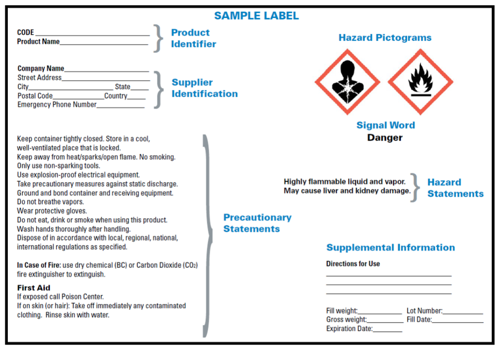
Standard phrases and pictograms are now used to communicate chemical hazards
Labels must contain:
Name, Address and Telephone number of chemical manufacturer, importer or other responsible party
Product Identifier- “name” of product
Signal Word
Hazard Statement(s)
Precautionary
Statement(s)
Pictograms(s)
Signal Words: used to indicate the relative level of severity of the hazard, there are two signal words:
Danger-used for more severe hazards
Warning-used for less severe hazards
Hazard Statement(s): A statement assigned to a hazard class and category that describes the nature of the hazard(s) of a chemical, including where appropriate the degree of hazard, e.g. Fatal if swallowed
Precautionary Statement(s): A phrase that describes recommended measures that should be taken to minimize or prevent adverse effects resulting from exposure or improper storage or handling.
Four types of statements which have been assigned to hazard classes and categories:
Prevention
Response
Storage
Disposal
Pictograms: May include a symbol plus other graphic elements such as a border, background pattern or color. Intended to convey specific information about the hazards of a chemical. Eight designated pictograms and one non-mandatory. Black symbols on a white background, with a red diamond border.
Material Safety Data Sheets (MSDS) are now called Safety Data Sheets (SDS)
Note: Sourced from OSHA publications 3492 & 3636
GHS Label
 Health Hazard
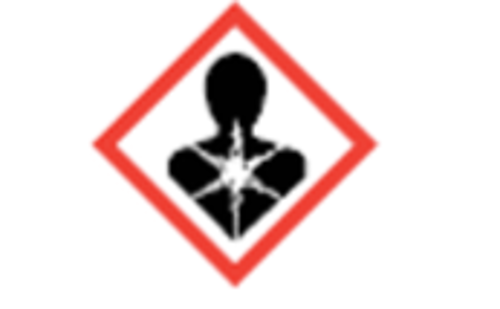
Carcinogen
Mutagenicity
Reproductive Toxicity
Respiratory Sensitizer
Target Organ Toxicity
Aspiration Toxicity
Flame
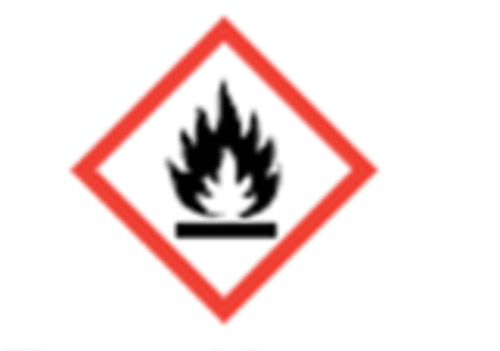
Flammables
Pyrophorics
Self-Heating
Emits Flammable Gas
Self-Reactives
Organic Peroxides
Exclamation Mark
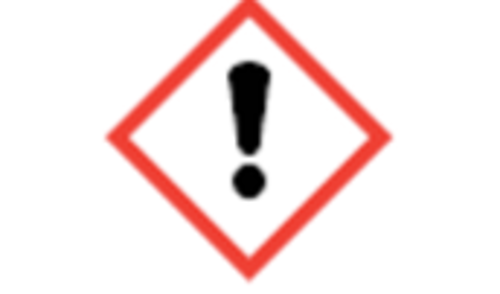
Irritant (skin and eye)
Skin Sensitizer
Acute Toxicity (harmful)
Narcotic Effects
Respiratory Tract Irritant
Hazardous to Ozone Layer (Non-Mandatory)
Gas Cylinder

Gases Under Pressure
Corrosion

Skin Corrosion / Burns
Eye Damage
Corrosive to Metals
Exploding Bomb
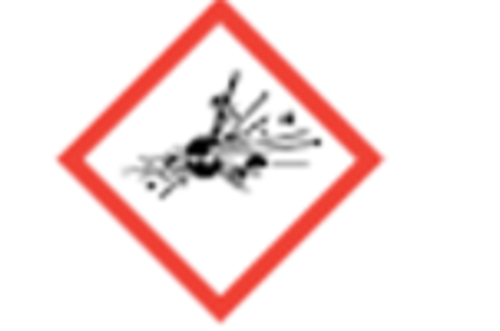
Explosives
Self-Reactives
Organic Peroxides
Flame Over Circle
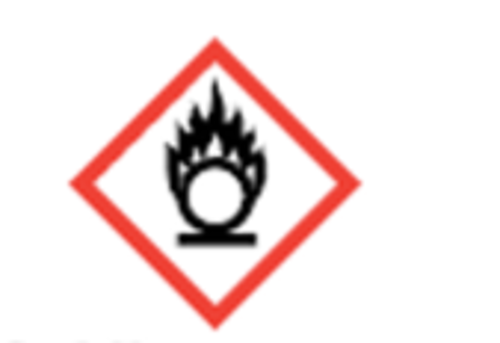
Oxidizers
Environment (Non-Mandatory)

Aquatic Toxicity
Skull and Crossbones
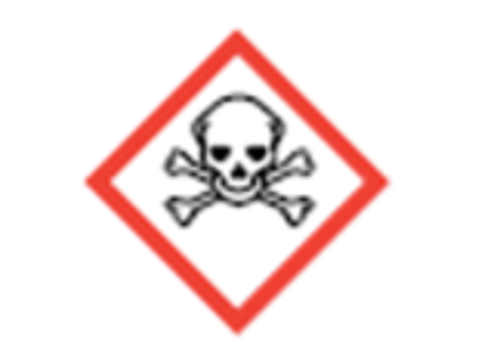
Acute Toxicity (fatal or toxic)